
Video Communication
Introduction
In today’s fast-moving digital world, businesses need communication that is quick, clear, and reliable. Companies are no longer limited to traditional office meetings because teams now work from different locations, cities, and even countries. This is why video communication has become one of the most important tools for modern businesses. It helps employees, clients, and teams stay connected through real-time video and audio communication from anywhere.
Video communication has completely changed the way businesses interact and collaborate. Whether it is a team meeting, client discussion, online presentation, training session, or project update, businesses can now communicate instantly without physical travel. It creates a smoother workflow, improves teamwork, and helps companies operate more efficiently in today’s competitive business environment.
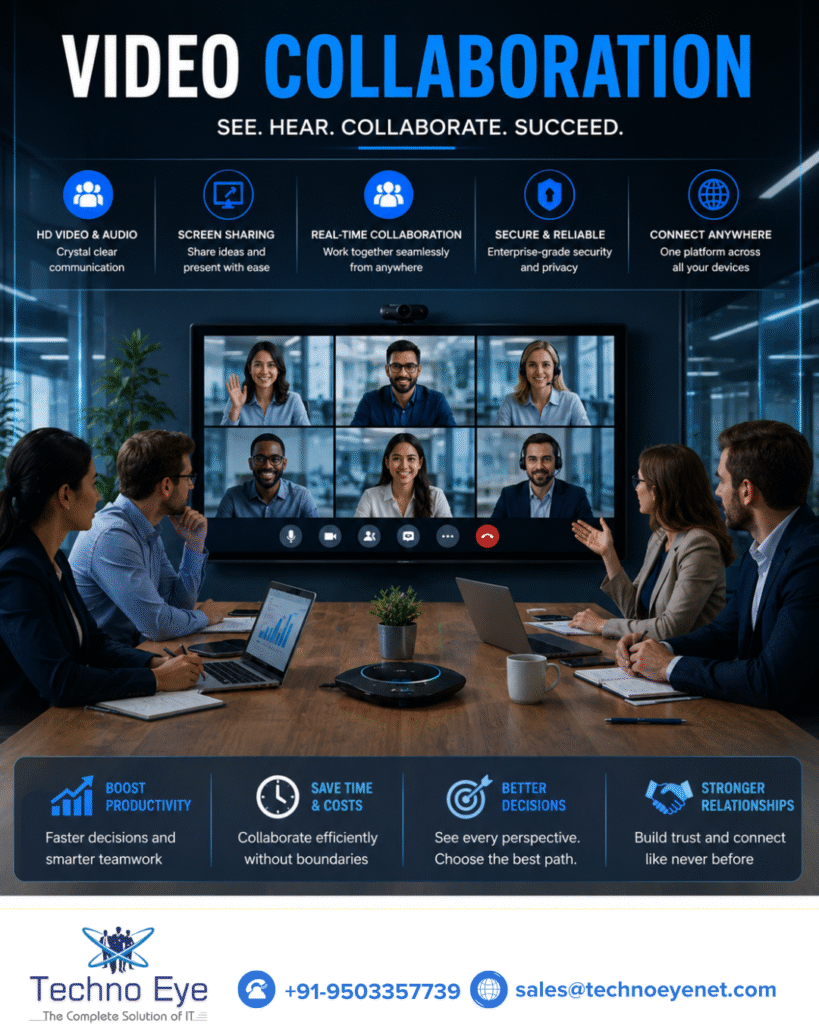
What Is Video Communication?
Video communication is a digital communication solution that allows people to interact face-to-face through online video and audio technology. Using devices like laptops, smartphones, tablets, or desktop systems, users can connect with others from different locations in real time.
Businesses use video communication for meetings, webinars, presentations, customer interactions, remote collaboration, and internal communication. Modern video communication platforms also include useful features like screen sharing, file sharing, live chat, meeting recording, and wireless connectivity to improve communication experiences.
It is a simple yet powerful solution that helps businesses stay connected without location barriers.
Why Video Communication Is Important for Businesses
Communication is one of the most important parts of any successful business. Without proper communication, teamwork, decision-making, and customer relationships can suffer. Video communication helps businesses maintain strong communication by allowing employees and clients to connect instantly from anywhere.
Unlike phone calls or emails, video communication creates a more personal and interactive experience because participants can see facial expressions, body language, and visual presentations during meetings. This improves understanding and builds stronger professional relationships.
Businesses also benefit from faster communication, quick decision-making, and improved workflow management. Teams can discuss projects instantly, solve problems quickly, and complete tasks more efficiently.
Better Team Collaboration Through Video Communication
One of the biggest advantages of video communication is improved collaboration between employees and teams. In modern workplaces, many businesses operate with remote employees, multiple branches, and hybrid work environments. Video communication helps bring everyone together regardless of location.
Employees can conduct meetings, discuss tasks, share reports, and collaborate on projects in real time. Features like screen sharing and presentation sharing make communication clearer and more effective during discussions.
With better collaboration, businesses can improve productivity, reduce misunderstandings, and maintain smooth communication between departments and teams.
Video Communication Helps Save Time and Costs
Traditional business meetings often require travel, transportation, hotel bookings, and long travel hours. These expenses can increase business costs and reduce productivity. Video communication provides a smarter alternative by allowing meetings to happen online.
Employees and clients can join meetings directly from their office, home, or any location with internet access. This saves valuable time and significantly reduces travel-related expenses.
Businesses can conduct more meetings in less time while maintaining professional communication standards. This makes video communication a cost-effective and highly efficient solution for companies of all sizes.
The Future of Video Communication
Technology is continuously evolving, and video communication is becoming smarter and more advanced every year. Businesses are now investing in intelligent communication systems with AI-powered cameras, smart audio technology, wireless conferencing, and better meeting automation.
These innovations improve communication experiences and help businesses work more efficiently. As digital transformation continues growing, video communication will remain one of the most important tools for business communication and collaboration.
Companies adopting modern video communication solutions can improve operational efficiency, strengthen teamwork, and create better communication experiences for employees and clients.
Conclusion
Video communication has become an essential part of modern business operations. It helps businesses connect with employees, clients, and teams quickly and professionally from anywhere in the world. With improved collaboration, reduced business costs, and faster communication, video communication supports smarter and more productive workplaces.
Its flexibility, convenience, and advanced communication features make it an important solution for businesses of all sizes. As companies continue moving toward digital work environments, video communication will continue playing a major role in improving teamwork, communication, and overall business success.